
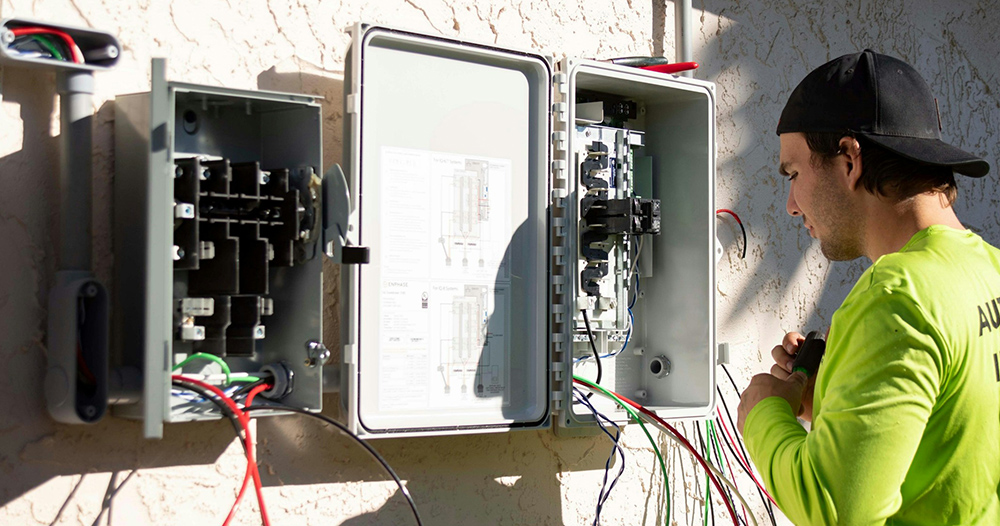
The South Bay is one of Southern California’s premier residential regions, boasting a stunning coastline, perfect weather, and exceptionally high property values. Homes in communities like Torrance, Palos Verdes, and Redondo Beach command millions of dollars in asset value. Structurally, however, they share a common trait: charming older homes built between the 1950s and 1970s form the backbone of the local housing market.
When many homeowners finally decide to remodel a kitchen or bathroom, they tend to focus their budget on highly visible aesthetic elements—gorgeous custom cabinetry, premium quartz countertops, and trendy tiles. However, a remodel that truly ensures safety and boosts home value starts where you can’t see: behind the walls.
Today, let’s look beneath the surface of beautiful interiors to examine the structural bones and circulatory system of your home—specifically, why your electrical panel should be the very first thing you inspect.
1. The Era of Smart Appliances and EVs: Is Your Electrical Panel Safe?
Homes built in the 1960s and 1970s around Torrance were typically designed with a main electrical panel capacity of 60A to 100A (Amps). Back then, the appliances relying on that panel were minimal: an old-school refrigerator, a CRT television, and a few light bulbs. Because cooking was done primarily with gas, sub-100A capacities were perfectly adequate for an entire family.
Today’s modern kitchens and lifestyles demand something entirely different. Consider the power requirements of appliances that are standard in modern remodels:
-
High-Efficiency Induction Cooktops: Many homeowners choose induction for cleaner indoor air and a sleek design, but this appliance alone requires a dedicated, heavy-duty 40A to 50A breaker.
-
Built-in Ovens & Powered Conveniences: Large double ovens and built-in microwave drawers (often integrated into kitchen islands) consume 20A to 30A of power on standby and during use.
-
Level 2 Electric Vehicle (EV) Chargers: Now a must-have feature for South Bay homes, a dedicated home EV charger draws another 40A to 50A of electricity.
⚠️ The Limits and Dangers of a 100A Panel
Do the math: running an induction cooktop and an EV charger simultaneously will instantly push your load to 80A–100A. If someone turns on the air conditioning, runs the dishwasher, or starts a load of laundry at dinner time, the main circuit breaker will face immediate overload.
While dealing with sudden blackouts in the middle of cooking is frustrating, the more severe threat is malfunctioning obsolete components.
Older homes often contain vintage electrical panels from brands like Federal Pacific (FPE) or Zinsco. These specific brands are notorious across the United States for failing to trip during an overload, making them a leading cause of electrical fires. When outdated wires and panels overheat behind unventilated drywall, they pose a hidden, catastrophic fire hazard.
📐 The Solution: Why You Need a 200A Main Panel Upgrade
The crucial first step of a successful kitchen remodel is diagnosing whether your current main panel can handle modern electrical loads and upgrading to a 200A Main Service Panel.
Upgrading to 200A does more than just prevent tripped breakers; it establishes a robust infrastructure capable of supporting future smart home tech, solar panels, and additional EV chargers. True premium remodeling starts by reinforcing the energy heart of your home before beautifying the exterior.
2. Plumbing Upgrades: The Time Bomb Hidden in Your Walls
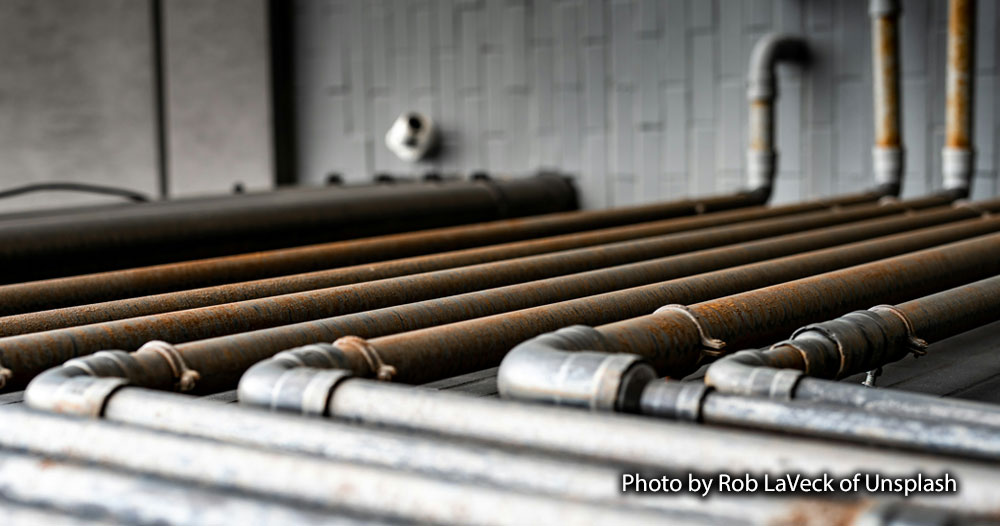
If the electrical panel is the “heart” of your home’s energy, the plumbing system is the network of “blood vessels” supplying water to every corner. Unfortunately, the walls and crawlspaces of 1950s–1970s South Bay homes are largely filled with galvanized iron pipes.
These steel pipes coated with zinc have an expected lifespan of roughly 40 to 50 years. This means the plumbing in older South Bay homes has either reached or long surpassed its expiration date. Over time, iron pipes corrode internally. Rust and mineral scaling build up layer by layer, narrowing the water channel down to the size of a pinhole.
This leads to several critical issues for homeowners:
-
Chronic Low Water Pressure: Because the water path is choked by rust and debris, water pressure drops dramatically during showers or dishwashing. Homeowners often mistake this for a faucet issue and swap out the fixtures, missing the real culprit inside the walls.
-
Water Contamination & Health Risks: As internal corrosion worsens, rust flakes and trace heavy metals leach into your tap water. The water you use daily to drink, cook, and bathe your children becomes exposed to hidden contaminants. If you notice red or brown water after returning from a vacation, your pipes are experiencing severe corrosion.
-
The Threat of Pin-Hole Leaks & Termites: Weakened sections of decayed iron pipes eventually develop microscopic pin-hole leaks, seeping water into the framing. These leaks are incredibly difficult to detect early. They slowly rot the wooden structure, trigger mold growth, and inevitably attract termites—the number one enemy of Southern California homes—as termites thrive on damp, decaying wood.
📐 The Solution: Repiping with Modern PEX or Copper
Imagine investing tens of thousands of dollars into premium custom cabinetry and high-end Italian tile for your kitchen or bath, only to have an old pipe burst a few months later. You would have to tear out and destroy that expensive new finish just to fix the leak.
Replacing failing iron pipes with highly durable, flexible, and rust-proof PEX or Copper piping (Repiping) during a remodel is an essential defensive measure. It guarantees clean water and permanently protects your brand-new interior investment.
3. Why Doing It During an Interior Remodel Cuts Costs in Half: The “Open-Wall Stage”
When navigating remodeling budgets, many homeowners hit unexpected hurdles and think, “This is getting expensive. Let’s save money now and deal with the electrical and plumbing later if a problem pops up.” While understandable, this approach ends up costing multiple times more down the road.
If a pipe bursts or a wire fails after your interior finishes are pristine, fixing it requires cutting open beautiful, freshly painted drywall. It means creating construction dust throughout a finished home, patching the drywall, matching the wall texture, and repainting. In the U.S., where labor accounts for the bulk of construction costs, paying to tear down and rebuild walls twice is an incredible waste of money.
However, handling these upgrades during the Open-Wall Stage—immediately after demolition when the old structures are already gutted—changes the financial equation completely:
-
Lightning-Fast Labor: Because the wooden studs are fully exposed, plumbers and electricians can route new pipes and pull wires quickly and accurately without obstacles. Faster installation translates directly into massive savings on labor costs.
-
Flawless Finish & Optimized Layouts: With open walls, you gain total freedom to relocate electrical outlets (like adding them to a kitchen island or inside drawers) and reposition shower valves or sink drains perfectly without structural restrictions.
-
Substantial Budget Savings: Because you completely eliminate the separate costs of drywall demolition, patching, and texturing, this is a once-in-a-lifetime window to save thousands of dollars compared to doing the projects separately.
Conclusion: A Premium Remodel Upgrades Your Home From the Roots Up
An interior remodel shouldn’t just be a cosmetic illusion. It must be an investment that reinforces the core health of your home, ensuring your family can plug in appliances safely and enjoy clean water without worry for the next 20 to 30 years.
In high-value areas like the South Bay, having updated, permitted, and certified infrastructure (electrical and plumbing) is what truly preserves your property value. When it comes time to sell, your home will breeze through strict home inspections. This protects you from buyers demanding hefty repair credits and ensures you receive top dollar for your asset.
At Torrance Kitchen and Bath, we deliver gorgeous designs while taking full responsibility for inspecting the hidden safety and long-term asset value behind your walls.
Your home has weathered decades of coastal sea breezes and time. If you want to use your upcoming remodel as an opportunity to safely inspect your electrical panel and plumbing, reach out to our team of experts today. Let’s build a dream home that is beautiful, healthy, and solid through and through.


Recent Comments