
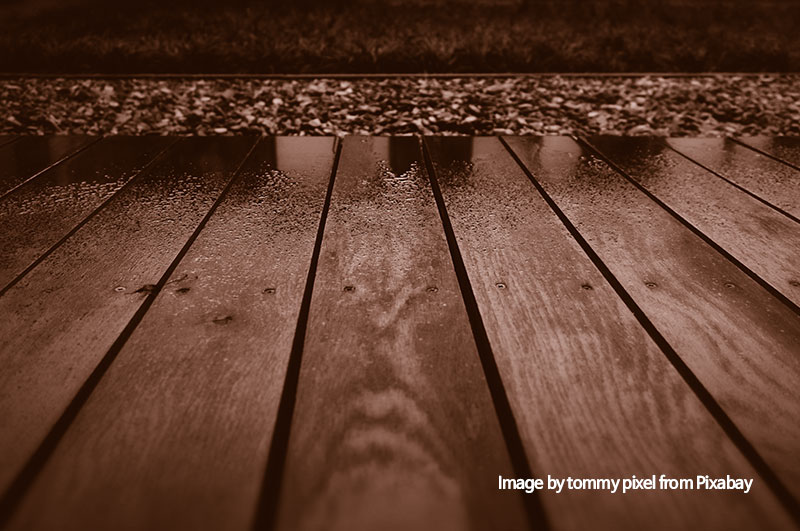
A Homeowner’s Guide to Weather-Resistant Wood Options
Outdoor decks, patios, balconies, and fences add warmth and character to a home—but they are also some of the most exposed elements of any property.
Rain, snow, direct sunlight, moisture, and temperature changes constantly test outdoor wood. Without the right materials, even a well-built deck can begin to warp, crack, or deteriorate far sooner than expected.
That’s why many homeowners today are asking a smarter question—not just what looks good, but:
-
Which wood lasts longer outdoors?
-
Which materials require less maintenance?
-
What actually holds up against weather over time?
In this post, we’ll walk through popular weather-resistant wood options for outdoor use and explain what homeowners should consider before making a decision.
Why Regular Wood Often Fails Outdoors
Interior-grade or untreated wood struggles outside because it is continuously exposed to:
-
Moisture absorption, leading to swelling, warping, and rot
-
UV radiation, which breaks down wood fibers and fades color
-
Temperature fluctuations, causing expansion and contraction
-
Insects and fungi, which weaken structural integrity
This is why outdoor projects should always use materials designed specifically for exterior conditions, not just “nice-looking” lumber.
Popular Weather-Resistant Wood Options for Outdoor Decks
1️⃣ Pressure-Treated Wood
Pressure-treated lumber is one of the most commonly used outdoor materials.
What it is
-
Wood infused with preservatives under high pressure
-
Designed to resist moisture, insects, and decay
Pros
-
Budget-friendly
-
Widely available
-
Strong and suitable for structural framing
Cons
-
Can warp or crack over time
-
Requires regular sealing or staining
👉 Best for:
Homeowners looking for a cost-effective, durable foundation for decks and outdoor structures.
2️⃣ Cedar & Redwood
These woods are popular for their natural beauty and resistance.
What makes them different
-
Naturally contain oils that resist insects and decay
-
Lightweight and easy to work with
Pros
-
Warm, natural appearance
-
Comfortable underfoot
-
Less chemical treatment required
Cons
-
Higher cost than pressure-treated wood
-
Color fades without routine maintenance
👉 Best for:
Homeowners who value aesthetics and natural materials.
3️⃣ Hardwood Decking (Ipe, Tigerwood, Cumaru)
Hardwoods are considered premium outdoor materials.
Key characteristics
-
Extremely dense and durable
-
Highly resistant to moisture, insects, and rot
-
Lifespan can exceed 25–40 years
Pros
-
Exceptional longevity
-
Minimal structural maintenance
-
High-end appearance
Cons
-
Higher upfront cost
-
Requires experienced installation
👉 Best for:
Homeowners focused on long-term durability rather than short-term savings.
4️⃣ Composite Decking
Composite decking has become increasingly popular in recent years.
What it’s made of
-
A blend of wood fibers and plastic
-
Designed to mimic real wood
Pros
-
Will not rot or attract insects
-
Very low maintenance
-
Consistent color and texture options
Cons
-
Higher initial cost
-
Can become warm under direct sunlight
👉 Best for:
Busy homeowners who want minimal upkeep without sacrificing appearance.
What Homeowners Should Consider Before Choosing
When selecting outdoor wood materials, it’s important to look beyond price alone.
✔ Climate & Exposure
-
Frequent rain? Moisture resistance matters.
-
Strong sun exposure? UV protection is critical.
✔ Maintenance Expectations
-
Are you willing to stain or oil regularly?
-
Or do you prefer a low-maintenance solution?
✔ How the Space Will Be Used
-
Light foot traffic vs. entertaining space
-
Barefoot comfort and heat retention
✔ Long-Term Cost
Initial material cost plus maintenance over time often tells a very different story than upfront pricing alone.
Final Thoughts: Is There a “Best” Outdoor Wood?
There’s no single perfect choice for every home.
However, one principle always holds true:
Using materials specifically designed for outdoor conditions is the most important investment you can make.
When wood selection is matched with proper design, installation, and maintenance, outdoor spaces can remain functional and beautiful for decades—not just a few seasons.
Consulting with an experienced professional can help ensure the materials you choose align with your home, lifestyle, and long-term expectations.

#image_title

Recent Comments